

Kayenta Center for the Arts - Yesterday, Today and Tomorrow
- Liz Fortney
- Mar 1
- 5 min read
A vibrant arts village in Kayenta Desert Community has long been the vision of Kayenta Developer, Terry Marten. Art galleries and studios were an early part of Kayenta in its commercial center known as Coyote Gulch Art Village, now Kayenta Art Village, located on the far West side of Ivins. Terry built an Outdoor Theater in the heart of the Village to host music events, and Kayenta began developing a reputation as an arts community.
By December 2010, it was clear that art in the Village needed a formal organizational structure. Terry invited about 30 Kayenta residents to discuss how to continue to grow the arts in Kayenta, and the Kayenta Arts Foundation (KAF) was born. Terry wanted to do something with unused space in the Village, and Kayenta residents were willing to raise funds for an arts center. Terry donated the land and provided a no interest loan to KAF. The December group elected a governing Board, which began adopting bylaws, mission and vision statements, and goals. Fundraising goals were met, a groundbreaking ceremony was held in May of 2013, the Center for the Arts at Kayenta (CFAK) was built and equipped, and the Grand Opening was held in October of 2017.

From the beginning, CFAK strove to develop and create an environment that fosters multi-disciplinary artistic endeavors for educational and cultural enrichment purposes in an intimate environment. The goal was to offer new, unique and relevant programming which did not duplicate or compete with other local theaters.
The Board identified six categories of programming which are still in place today – plays and musicals, live music, dance, education and lectures, and community engagement which includes collaboration with other local performance groups such as the St. George Dance Theater, the Cello Society of Southern Utah, St. George Opera and others. Over the next three years, Executive Director Jan Broberg expanded both the audience base and artistic profile of the Center, establishing it as a hub for unconventional and original performance.
Three years after the Center for the Arts opened the COVID pandemic forced the Center to close for 8 months. The staff was laid off, and the Board took over the necessary day to day functions. Upon re-opening, the Center required vaccination certificates and masks – a controversial position at the time - and also maintained strict social distancing policies, which limited their ticket sales to a maximum of 36 per performance. During this time, funding from Federal, State and Local grants allowed the Center to continue to operate and provide some unique programming that might not otherwise have been offered.
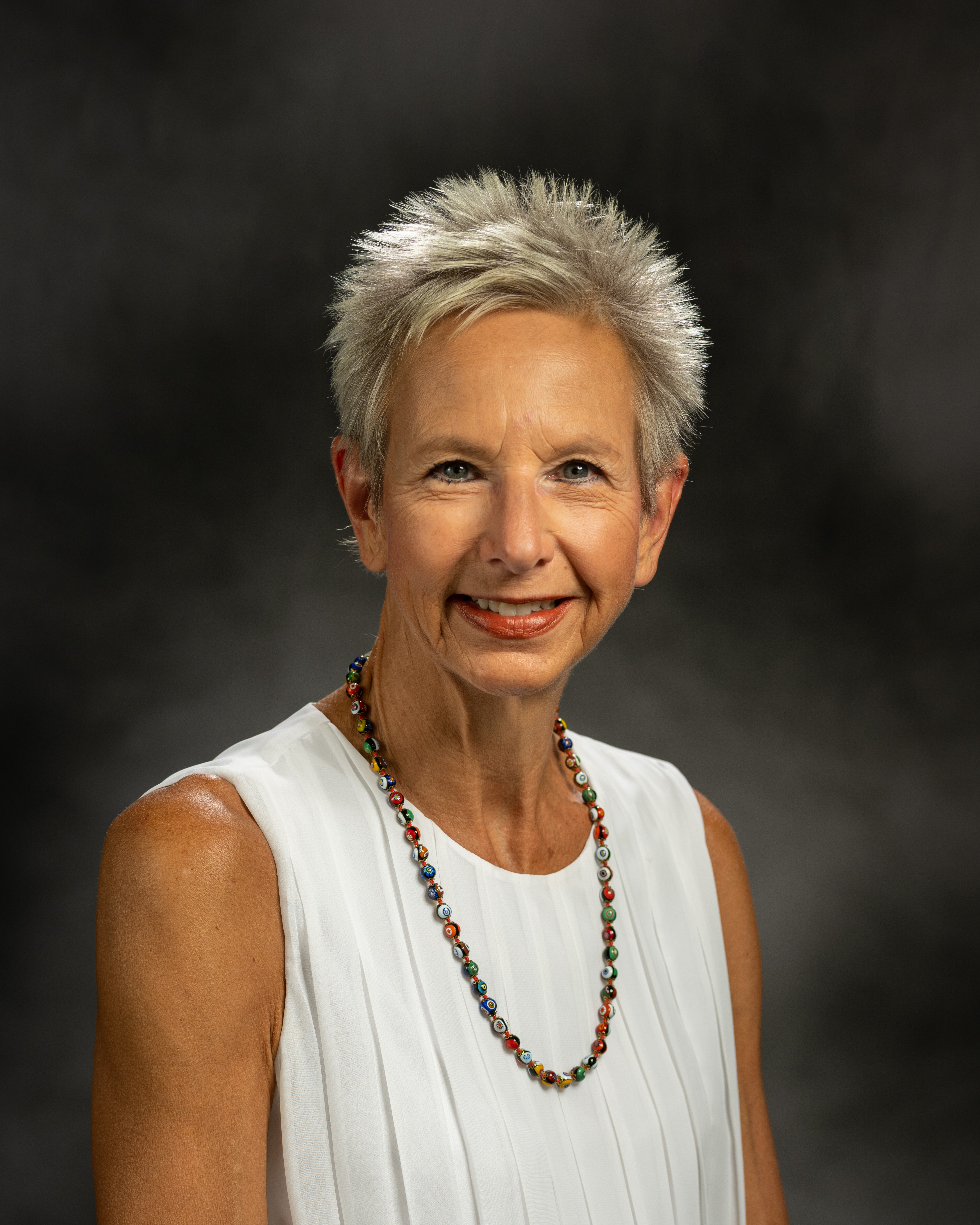
Jan Broberg announced her plans to retire in 2022. The Board conducted a nationwide search resulting in the appointment of Miranda Wright as the new Executive Director of the Center.

Miranda Wright is an arts leader and producer with more than a decade of experience building platforms for innovative performance. After growing up in St. George and attending Southern Utah University, she moved to Los Angeles in 2006, where she founded Los Angeles Performance Practice in 2010 and the Live Arts Exchange (LAX) Festival in 2013—organizations dedicated to supporting boundary-pushing theater and dance. Her work has toured nationally and internationally, and she has collaborated with major institutions including Center Theatre Group, CAP UCLA, and CalArts Center for New Performance. A recipient of Center Theatre Group’s Richard E. Sherwood Award and a Cultural Exchange International Fellowship through the City of Los Angeles and the British Council, Miranda brings a strong background in producing, international exchange, and arts management.
Accepting the position of executive Director at CFAK felt both personal and purposeful to Miranda and provided an opportunity to apply everything she had learned in a new context where she could make a lasting impact. Returning to Southern Utah also meant being closer to family and reconnecting with the community where she grew up.
She was genuinely excited by the possibilities at CFAK. The Center has an extraordinary foundation: a committed community, a beautiful setting, and a history of meaningful artistic programming and a tremendous potential for growth—expanding artistic vision, strengthening organizational infrastructure, and developing a clear strategic direction that positions the Center for long-term sustainability. The opportunity to help shape that future was incredibly compelling.
Miranda has succeeded in strengthening CFAK’s artistic programming by introducing much meaningful and original work. The Kayenta New Play Lab has become a meaningful platform for developing new work and supporting playwrights, reinforcing CFAK’s commitment to being a place where art is created—not just presented. Last Spring’s presentation of Touki Delphine’s FIREBIRD demonstrated that our community is eager for bold, high-quality arts experiences that defy typical arts disciplines. It was a major international project that has since toured to fantastic high-caliber venues across the United States. Last October’s performance of Crossing Open Ground (a musical composition by John Luther Adams) beautifully reflected the spirit of our natural environment and allowed CFAK to form partnerships with Snow Canyon State Park and Utah Tech University.
One of Miranda’s biggest challenges has been navigating the financial realities facing arts organizations today. Funding for the arts has become increasingly competitive and unpredictable, with constant shifts in grant priorities, reductions in public funding, and overall economic uncertainty affecting philanthropy at every level. Like many organizations, CFAK is working in an environment where meeting revenue goals requires more strategy and creativity than ever before.
Many Ivins residents may not know that CFAK sponsors four art festivals each year which are open to the public at no cost. By eliminating cost as a barrier, they create inclusive spaces where families, seniors, youth, and residents of all income levels can gather, participate, and feel welcome. This approach ensures that the Center serves the entire community—not just ticket buyers.
Today, CFAK produces and presents over 50 unique and original events annually, with a total of approximately 120 individual performances across the five artistic disciplines previously mentioned. They continue to expand their audience base throughout Washington County and across the American Southwest.

When asked what differentiates the Center for the Arts at Kayenta from other theaters in the region, Miranda stated, “It is our combination of artistic ambition and environment. We operate as a fully professional venue with paid artists - $188,917 in the last fiscal year - and we prioritize supporting artists as they create or perform original work. We are able to present work of national and international significance within an intimate setting that fosters a closer connection between professional artists and our audiences. Paired with Kayenta’s extraordinary landscape and creative community, the experience feels fully unique. My goal is for CFAK to be known as a place where high-caliber artists want to come—and where audiences can encounter work that is both globally relevant and deeply connected to our gorgeous red hills and the warmth of our community.
Many thanks to Judith Kapuscinski, Rob Goodman and Miranda Wright, who contributed to this article.


Love this!!